
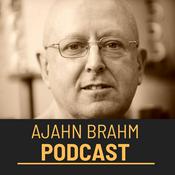
100 episoder
Guided Meditation with Ajahn Brahm [20101023]
25.10.2026 | 12 min.This guided meditation by Ajahn Brahm was originally recorded in 23rd October 2010. It includes a talk about some aspect of meditation followed by a 45 minute guided meditation.
This guided meditation has been remastered and published by the Everyday Dhamma Network, and will be of interest to people who have started meditation but are seeking guidance to take it deeper.
These talks by Ajahn Brahm have been recorded and made available for free distribution by the Buddhist Society of Western Australia under the Creative Commons licence. You can support the Buddhist Society of Western Australia by pledging your support via their Ko-fi page.The Power of Goodness
24.10.2026 | 59 min.Ajahn Brahm reflects on Vesak celebrations in Thailand and argues that goodness, ethical conduct, generosity, forgiveness, and mindfulness are powerful forces capable of addressing individual, political, economic, and global problems. He emphasizes that anger, greed, revenge, and anxiety harm both individuals and society, while self-awareness and compassion can dissolve conflicts and create peace. The talk concludes by urging people to strengthen morality through everyday honesty, fidelity, simplicity, and kindness, prioritizing shared well-being over personal desires.
—
This dhamma talk was originally recorded in 8th May 2009. It has now been remastered and published by the Everyday Dhamma Network, and will be of interest to his many fans.
These talks by Ajahn Brahm have been recorded and made available for free distribution by the Buddhist Society of Western Australia under the Creative Commons licence. You can support the Buddhist Society of Western Australia by pledging your support via their Ko-fi page.Does Life Suck?
18.10.2026 | 59 min.Ajahn Brahm considers the question: Does life suck?
—
This dhamma talk was originally recorded in 1st May 2009. It has now been remastered and published by the Everyday Dhamma Network, and will be of interest to his many fans.
These talks by Ajahn Brahm have been recorded and made available for free distribution by the Buddhist Society of Western Australia under the Creative Commons licence. You can support the Buddhist Society of Western Australia by pledging your support via their Ko-fi page.Guided Meditation with Ajahn Brahm (20100522)
11.10.2026 | 1 t. 14 min.This guided meditation by Ajahn Brahm was originally recorded in 22nd May 2010. It includes a talk about some aspect of meditation followed by a 45 minute guided meditation.
This guided meditation has been remastered and published by the Everyday Dhamma Network, and will be of interest to people who have started meditation but are seeking guidance to take it deeper.
These talks by Ajahn Brahm have been recorded and made available for free distribution by the Buddhist Society of Western Australia under the Creative Commons licence. You can support the Buddhist Society of Western Australia by pledging your support via their Ko-fi page.The Process of Rebirth
11.10.2026 | 1 t. 3 min.Ajahn Brahm explains rebirth through the metaphor of mangoes: each life is different, yet connected by cause and effect, with deep character traits, habits, and spiritual qualities carrying forward rather than memories or physical abilities. Kindness, generosity, forgiveness, peace, and wisdom are developed through repeated practice and bring happiness now while shaping future lives, whereas anger, attachment, and negativity can perpetuate suffering. He emphasizes that our environment and choices condition the mind, encouraging listeners to cultivate positive influences.
—
This dhamma talk was originally recorded in 3rd April 2009. It has now been remastered and published by the Everyday Dhamma Network, and will be of interest to his many fans.
These talks by Ajahn Brahm have been recorded and made available for free distribution by the Buddhist Society of Western Australia under the Creative Commons licence. You can support the Buddhist Society of Western Australia by pledging your support via their Ko-fi page.
Flere Kunst podcasts
Trendige Kunst podcasts
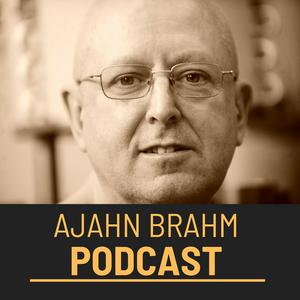
Om Ajahn Brahm Podcast
Remastered classic teachings of the greatest meditation master in the modern Western world - Ajahn Brahm!
Podcast-webstedLyt til Ajahn Brahm Podcast, Lind & Lahme Bogklub og mange andre podcasts fra hele verden med radio.dk-appen
Hent den gratis radio.dk-app
- Bogmærke stationer og podcasts
- Stream via Wi-Fi eller Bluetooth
- Understøtter Carplay & Android Auto
- Mange andre app-funktioner
Hent den gratis radio.dk-app
- Bogmærke stationer og podcasts
- Stream via Wi-Fi eller Bluetooth
- Understøtter Carplay & Android Auto
- Mange andre app-funktioner

Ajahn Brahm Podcast
Scan koden,
download appen,
begynd at lytte.
download appen,
begynd at lytte.
 Denmark